
Why Slowing Down Is Essential During Menopause
🌿 Why Slowing Down Is Essential During Menopause

If you’ve been feeling more tired, overwhelmed or stretched than usual during menopause, you’re not alone.
You may have noticed that the pace you once managed no longer feels sustainable — and trying to keep up can leave you feeling even more exhausted.
This is not a sign that something is wrong.
👉 It’s your body asking for a different approach.
🌿 Why menopause changes your energy
During menopause, your body goes through significant hormonal shifts, particularly in oestrogen and progesterone
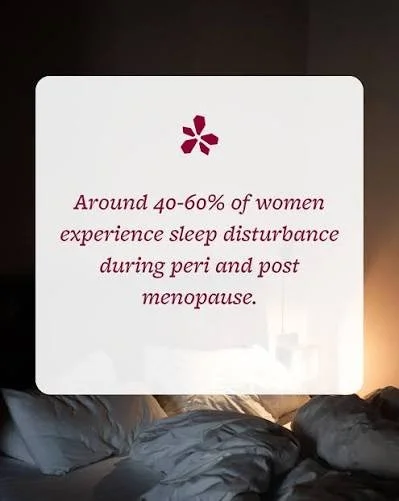
These hormones play a role in: • energy levels
• mood
• sleep
• how your body responds to stress
As they fluctuate and decline, your nervous system can become more sensitive — meaning you may feel overwhelmed more easily and recover from stress more slowly.
🌿 Your nervous system needs more support
Your body has two main states:
• Fight or flight (stress, urgency, doing)
• Rest and restore (calm, healing, recovery)
During menopause, it’s common for the body to spend more time in a heightened stress state.
This can lead to:
• fatigue
• anxiety
• poor sleep
• tension in the body
• feeling constantly “on edge”
Slowing down is what helps guide your body back into a more balanced, restorative state.
🌿 Why pushing through no longer works
Many women are used to:
• staying busy
• managing multiple responsibilities
• pushing through tiredness
But during menopause, this approach can actually increase stress on the body.
Instead of helping, it can:
• worsen fatigue
• increase overwhelm
• disrupt sleep
• make symptoms feel more intense
🌿 A gentle shift
Rather than doing more, this is a time to begin asking:
👉 What does my body need right now?
🌿 What slowing down really means
Slowing down doesn’t mean doing nothing.
It means:
• creating space in your day
• reducing unnecessary pressure
• allowing your body time to rest and recover
• moving more gently and intentionally
It’s about supporting your body, not pushing it.
🌿 Gentle ways to slow down
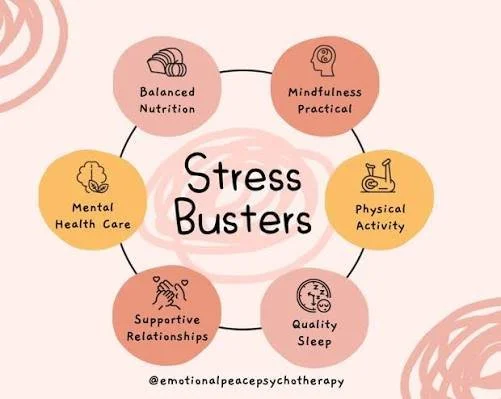
🌿 1. Start your day more softly
Instead of rushing into the day, take a few minutes to:
• breathe
• stretch
• sit quietly
This helps your nervous system feel more settled from the start.
🌿 2. Choose gentle movement
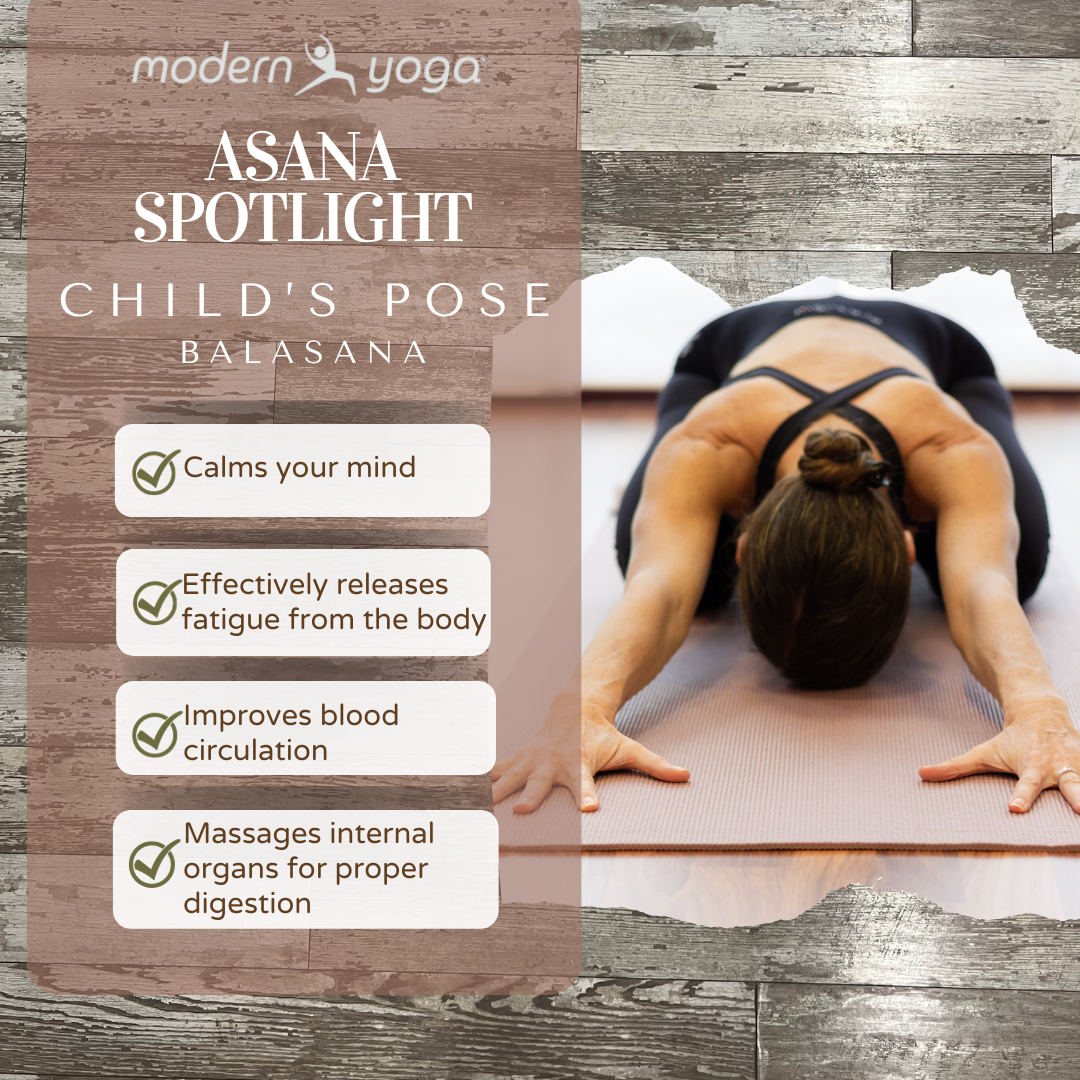
Practices like Yin yoga support your body without adding stress.
Slow, supported poses allow your body to soften and release tension.
🌿 3. Take small pauses
Even short breaks during the day can help prevent overwhelm from building.
This could be: • stepping outside
• closing your eyes for a few minutes
• taking a few slow breaths
🌿 4. Create an evening wind-down
Slowing down in the evening helps prepare your body for sleep.
You might try: • dimming lights
• gentle stretching
• quiet time without screens
🌿 5. Let go of pressure
You don’t need to do everything.
Ask yourself: 👉 What can wait?
👉 What can I simplify?
🌿 The benefits of slowing down
When you begin to slow down, you may notice:

✔ improved sleep
✔ reduced anxiety
✔ more stable energy
✔ less tension in your body
✔ a greater sense of calm
These changes often happen gradually, but they are meaningful.
🌿 A gentle reminder
This stage of life is not about keeping up with how things used to be.
It’s about learning to support your body in a new way.
Slowing down is not a step back —
👉 it’s a step toward balance.
🌿 Ready to begin gently?
If you’d like simple, supportive practices to help you slow down and feel calmer:
👉 Download your free menopause support guide
;You dont have to navigate this stage alone.Small, gentle steps can make a powerful difference:
👉 You might also enjoy
Why You Feel Overwhelm During Menopause
Gentle Yoga For Menopause
With warmthBrenda
Inside, you’ll find gentle yoga, breathwork and daily practices to support your body through menopause.