Benefits of Exercise and Strength Training During Menopause

How Menopause Affects Your Hair. Joints & BoneHealth{ What Helps}
Menopause can affect your hair, jooints and bone health.
Learn why it happens and gentle ways to support your body naturally

Why Slowing Down Is Essential During Menopause

Why You Feel Overwhelmed During Menopause{Hormones, Causes & Gentle Support}
Feeling overwhelmed during menopause?Learn how hormonal changes affect your nervous system, plus gentle ways to feel calmer, reduce anxiety and suppoert ypur body naturally.
Yoga for Menopause; How Gentle Movement Can Support Your Body

The Effects of Blue Light om Sleep and Hormones- How it Connects to Menopause
Blue light from screens reduces melatonin, delaying sleep and lowering sleep quality. For menopausal women—already affected by lower oestrogen and progesterone—this increases night wakings and daytime fatigue. Poor sleep disrupts cortisol and insulin rhythms, raising stress, mood swings and metabolic risk. Evening blue light can worsen hot flushes by harming thermoregulation. Reducing exposure—screen curfews, blue-light filters, dim lighting and wind-down routines—helps melatonin, stabilises sleep, eases menopausal symptoms and improves mood and restorative rest.
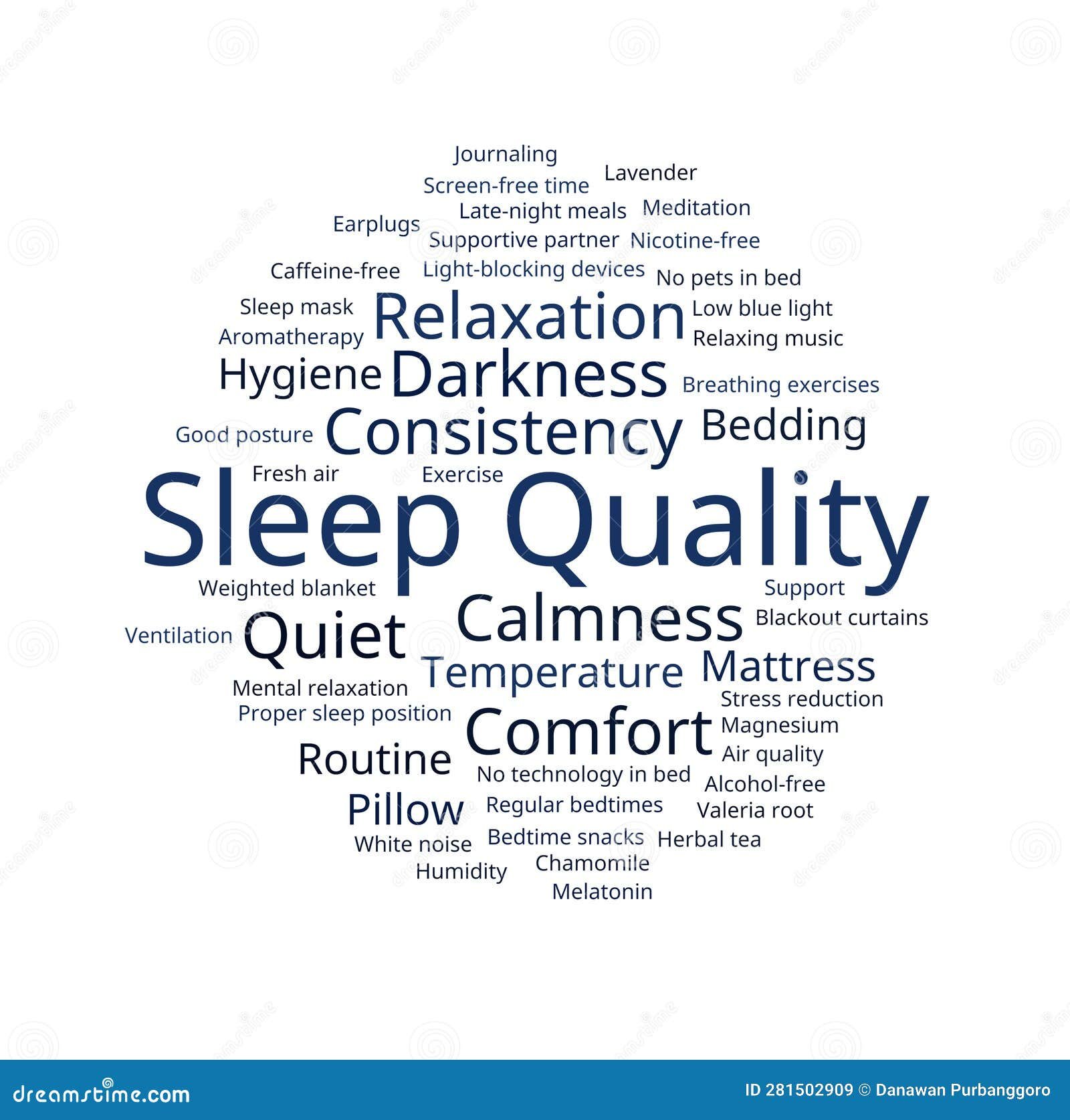
How to Improve Sleep Naturally by Supporting Your Nervous System
Improving sleep naturally begins with a consistent routine: go to bed and wake at the same time daily to regulate your internal clock. Create a calming pre-bed ritual—gentle stretching, yin or restorative yoga, and five to ten minutes of guided meditation ease the nervous system. Make your bedroom a sleep sanctuary: cool, dark, quiet and reserved for rest; reduce screen use at least an hour before bed to limit blue light exposure. Watch caffeine and alcohol intake; avoid caffeine after mid-afternoon and limit alcohol, which fragments sleep. Prioritise daylight exposure and gentle movement during the day to
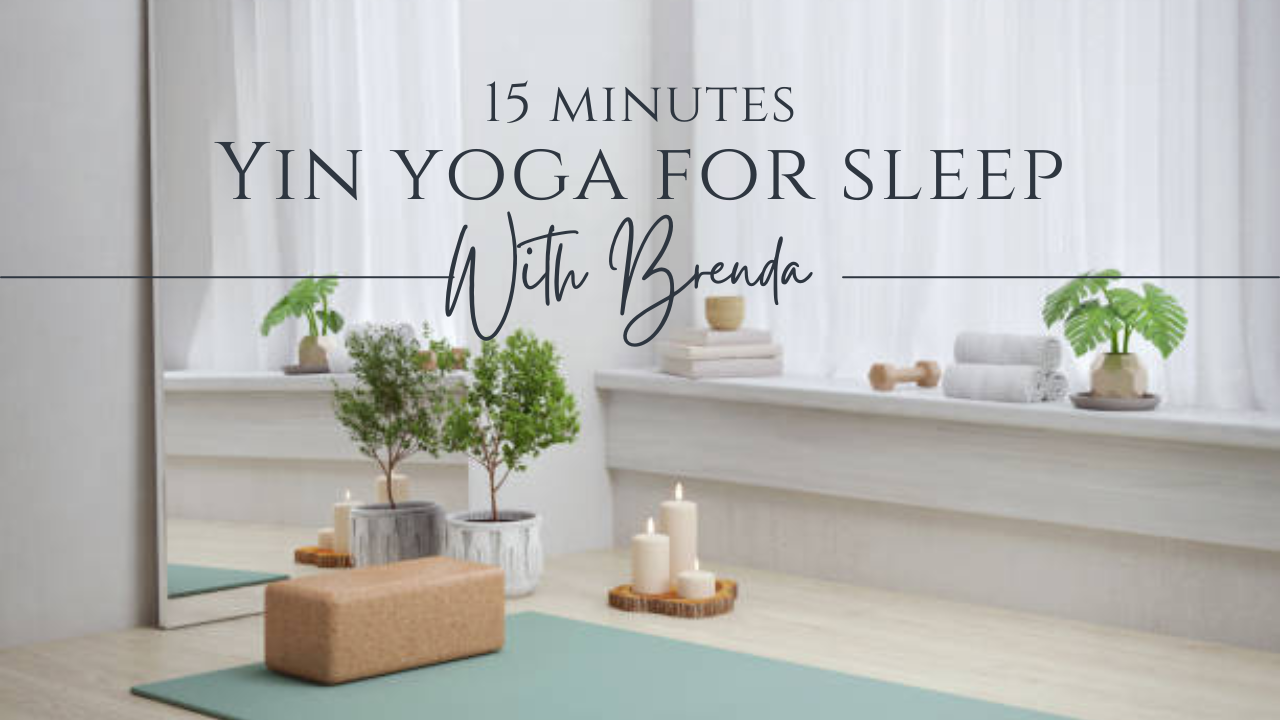
Can Yin Yoga Improve Sleep? Here Is What You Have To Know
Yin yoga improves sleep by using slow, supported poses held for minutes to calm the nervous system and relax connective tissues. Long holds activate the parasympathetic response, slowing heart rate and deepening breath. Gentle stretching eases physical tension, while the meditative focus on breath reduces mental rumination. Regular evening practice signals a wind-down, helping regulate circadian rhythm. Props and restorative variations keep poses safe and non-stimulating. Paired with mindful breathing or a short meditation, yin promotes deeper, longer, more restorative sleep.

How to Build Healthy Habits That Actually Stick
This Blog will help you build healthy habits.This will guide yyou through thr 21 Day Habit Trcker

February at Willow Tree Yoga- New Beginings & Fresh Content
February is often seen as the in-between month.This month look out for new content to help you on your ellness journey