
Why You Feel Overwhelmed During Menopause{Hormones, Causes & Gentle Support}
🌿 Why You Feel Overwhelmed During Menopause (Hormones, Causes & Gentle Support)

If you’ve been feeling more overwhelmed than usual during menopause — perhaps anxious, easily irritated, or like everything feels “too much” — you are not alone.
This is one of the most common (and often misunderstood) experiences during this stage of life.
And importantly…
👉 There is nothing wrong with you.
Your body is simply going through change.
🌿 What’s happening in your body?
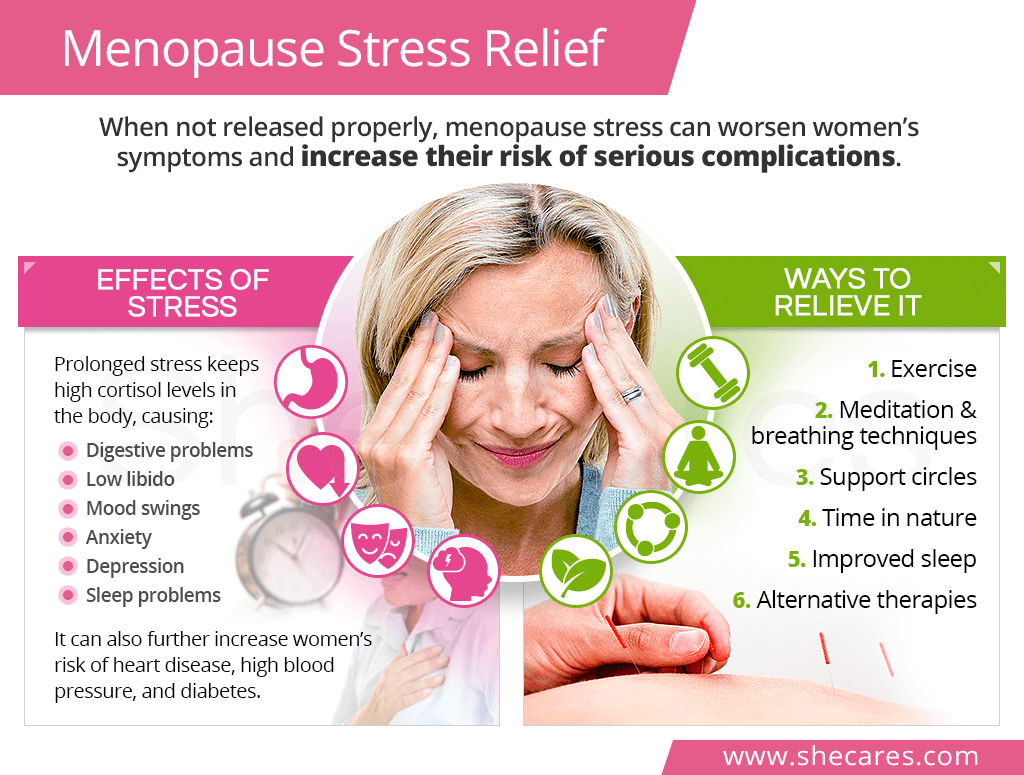
During menopause, your hormones — particularly oestrogen and progesterone — begin to fluctuate and decline.
These hormones don’t just affect your physical body — they also play a key role in your nervous system and emotional regulation.
🌿 Oestrogen and your mood
Oestrogen helps support:
• serotonin (your “feel good” hormone)
• emotional stability
• brain function
As levels drop, you may notice:
• increased anxiety
• low mood
• feeling less resilient
🌿 Progesterone and calm
Progesterone has a naturally calming effect on the body.
When progesterone declines, it can lead to:
• restlessness
• poor sleep
• heightened stress response
👉 Together, these changes can make your nervous system more sensitive — meaning everyday stress can feel much bigger than it used to.
🌿 Why overwhelm happens more easily
Your body may be spending more time in a “fight or flight” state (sympathetic nervous system).
This can happen even when there is no real danger — your body simply feels under pressure.
Over time, this can lead to a sense of constant overwhelm.
🌿 Signs and symptoms of menopause overwhelm
You might recognise some of these:
• feeling easily stressed or irritated
• struggling to cope with things that used to feel manageable
• racing thoughts
• difficulty switching off
• poor or disrupted sleep
• feeling emotionally sensitive or tearful
• needing more time alone or to rest
• physical tension (shoulders, jaw, chest)
🌿 A gentle truth
Overwhelm is not a weakness —
👉 it’s a signal from your body asking for support.
🌿 Common causes of overwhelm during menopause
It’s often not just one thing, but a combination:
🌿 Hormonal changes
As your hormones fluctuate, your emotional resilience can feel lower.
🌿 Poor sleep
Sleep disruption is very common in menopause — and lack of sleep makes everything feel harder.
🌿 Busy lifestyles
Many women are juggling work, family, caregiving and responsibilities — often without enough support.
🌿 Constant stimulation
Phones, noise, multitasking — your nervous system rarely gets a chance to rest.
🌿 Pressure and expectations
Feeling like you need to “keep going” or cope as you always have can add to the load.
🌿 Gentle ways to support yourself
The key is not to push harder —
👉 but to support your nervous system more gently.
🌿 1. Slow your pace
Even small moments of slowing down can help.
Pause. Sit. Breathe.
You don’t have to earn rest.
🌿 2. Try gentle Yin yoga

Yin yoga supports the body by:
• releasing tension
• calming the nervous system
• creating space to rest
Long, supported poses allow your body to shift into a more relaxed state.
🌿 3. Use your breath
Your breath is one of the most powerful tools you have.
Try:
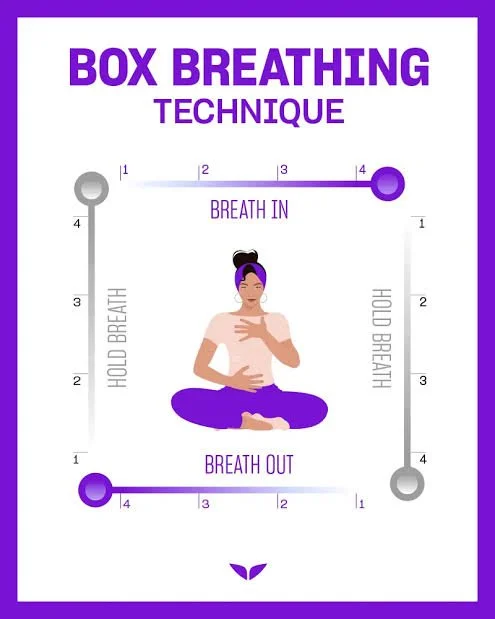
👉 slow inhale through the nose
👉 longer exhale through the mouth
This signals safety to your body.
🌿 4. Reduce pressure
Ask yourself:
What can I let go of today?
Even one thing.
🌿 5. Create moments of quiet
Even 5–10 minutes of stillness can help your body reset.
No phone. No demands. Just space.
🌿 You are not alone
Many women go through this — often quietly.
But support is available, and things can feel easier with the right approach.
🌿 A gentle reminder
You don’t need to push through.
You don’t need to do more.
👉 You need support that works with your body, not against it.
🌿 Ready to begin gently?
If you’d like simple, supportive practices to help you feel calmer and more balanced:
👉 Download your free menopause support guide
Inside, you’ll find gentle yoga, breathwork and daily practices to support your body through menopause.